Faux African: A Bold Display Font
There I was, staring at a blank brand board, trying to find the right visual voice for a new local café. The client wanted something that felt modern yet grounded, with a touch of authenticity. I opened my font library and scrolled through dozens of options—clean sans serifs, elegant scripts, and classic serifs—but nothing quite clicked. That’s when I stumbled on Faux African.
A Unique Visual Personality
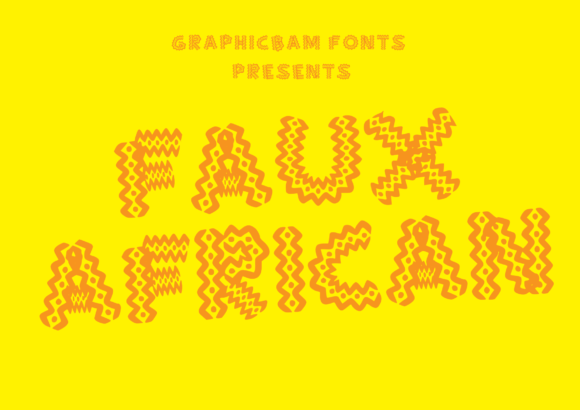
Faux African is an incredibly cool and interestingly designed display font. It has a bold, almost tribal feel, with sharp angles and stylized curves that give it a distinctive character. The font doesn’t just stand out—it commands attention. Its design feels like a fusion of modern typography and traditional motifs, making it ideal for brands that want to express a sense of cultural flair or creative energy.
The font’s personality is confident and expressive. It works well for logos, headlines, and other display applications where visual impact matters. But what really sets Faux African apart is its versatility. It can be used in a variety of contexts without feeling forced or out of place.
Testing Faux African in Real Projects
I first tested Faux African on a logo concept for the café. The font’s strong shapes made the name pop, giving it a fresh and contemporary edge. I paired it with a simple sans serif for the tagline, and the contrast worked beautifully. The combination felt balanced but still had enough visual interest to keep the design from looking flat.
Next, I tried it on a packaging mockup. The font looked great on a coffee bag, adding a sense of uniqueness and craftsmanship. It also held up well on a business card, where its boldness didn’t overwhelm the other elements. On a website header, Faux African added a dynamic, eye-catching element that helped define the brand’s tone.
For social media graphics, the font stood out in a crowded feed. Whether used as a caption or a headline, it brought a level of creativity and personality that many other fonts lack. It even worked well on a poster flyer, where its size and style made it easy to read from a distance.
When Faux African Shines
Faux African excels as a display font. It’s not meant for body text or long paragraphs, but as a headline, logo, or accent typeface, it delivers strong results. Its bold strokes and unique details make it perfect for branding projects that need a statement-making font.
It’s particularly effective in commercial design assets like product labels, signage, and editorial layouts. The font’s visual weight helps establish hierarchy, making it easier for audiences to focus on key messages. It also adds a layer of sophistication that can elevate a brand’s overall look.
One thing to note is that Faux African works best when used sparingly. Overusing it can lead to visual clutter, especially in designs that already have a lot going on. It’s most powerful when used as a focal point, with simpler fonts handling the supporting text.
Pairing and Practical Considerations
When pairing Faux African with other fonts, it’s best to go for simplicity. A clean sans serif or a subtle serif can balance the font’s boldness without competing with it. For more creative projects, a script or handwritten font might add an extra layer of personality, but it’s important to maintain readability and clarity.
Before using Faux African in final client work, it’s wise to test it in different sizes and contexts. Check how it looks on print materials, digital screens, and various backgrounds. Make sure it remains legible and consistent across all platforms.
Also, consider the font’s licensing. Commercial use often requires a proper license, so always verify the terms before incorporating it into a brand identity, packaging, or any client project. This is especially important if you’re designing for resale or print-on-demand products.
Final Thoughts
Faux African is a standout display font that brings energy and style to any design. Its unique aesthetic makes it a great choice for brands looking to make a bold visual statement. Whether used in a logo, packaging, or social media graphic, it adds a level of creativity and professionalism that can set a brand apart.
If you're working on a project that needs a fresh, dynamic typeface, Faux African is definitely worth considering. Just remember to use it thoughtfully and pair it with other fonts that complement its strength without overshadowing it.