Chubbily and Lovely Chubbily Font
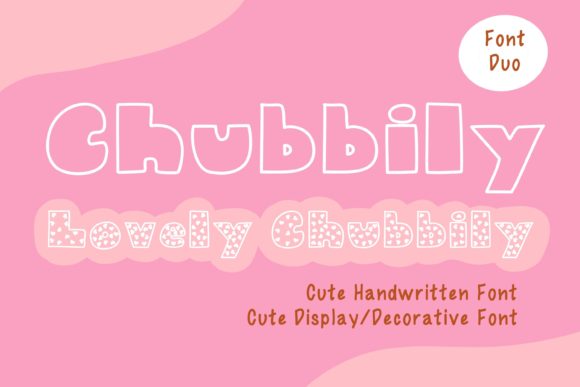
There’s a certain magic in choosing the right font for a project. It can elevate a simple headline into a statement, or transform a plain page into something that feels alive. For a recent lifestyle blog redesign, I found myself drawn to Chubbily and Lovely Chubbily—a display font that brings a whimsical yet refined energy to any layout.
Visual Character and Editorial Appeal
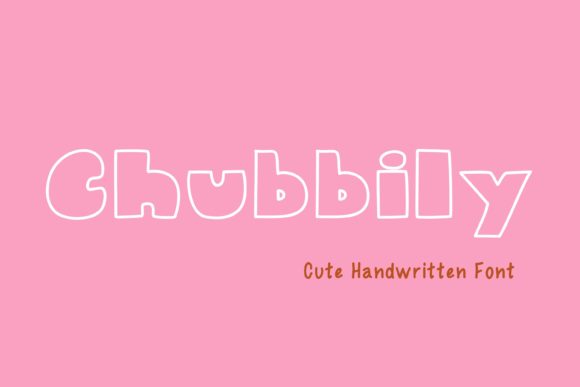
Chubbily and Lovely Chubbily is a premium font that exudes charm. Its rounded edges and soft curves give it a friendly, approachable vibe, while its subtle variations in weight and spacing add depth and character. This typeface is ideal for projects that want to feel warm and inviting, without sacrificing elegance.
The rhythm of the letters is smooth, making it easy on the eyes even when used in larger sizes. It carries a personality that feels both playful and professional, which makes it versatile for a range of editorial needs. Whether it's a magazine cover, a newsletter header, or a printable guide, this font adds a touch of personality that stands out.
Real-World Publishing Use Cases
Testing Chubbily and Lovely Chubbily in a recipe ebook, I was impressed by how it brought a sense of joy to the title pages and chapter openers. The font worked especially well for pull quotes and decorative accents, adding visual interest without overwhelming the content. In a wedding guide, it helped create a cohesive, celebratory tone across multiple design elements.
For a coaching workbook, the font provided a clear visual hierarchy when paired with a clean sans serif for body text. It made section headings feel more dynamic and engaging, encouraging readers to explore the content with a sense of curiosity. In a digital magazine layout, it served as a strong, eye-catching element that complemented the overall aesthetic.
Readability and Practical Considerations
While Chubbily and Lovely Chubbily shines in display settings, it's important to consider its readability in different formats. On mobile screens or in PDFs, the font maintains its clarity, but it's best suited for short bursts of text rather than long paragraphs. For body copy, a more traditional serif or sans serif font would be a better choice.
When using this font in print materials, ensure there's enough contrast between the text and background. It works well for headlines, logos, and decorative elements, but may not be ideal for small captions or dense blocks of text. Always test the font at various sizes to confirm its effectiveness in your specific design context.
Font Pairing and Design Assets
Pairing Chubbily and Lovely Chubbily with a readable serif or sans serif font enhances its usability in editorial layouts. A classic serif like Georgia or a modern sans serif like Open Sans can provide balance, allowing the display font to take center stage without competing with the body text.
Before integrating this font into your design, check the available styles, alternates, and ligatures. These features can add variety and customization options, making the font more adaptable to different projects. Ensure the file formats are compatible with your design software and that the licensing allows for commercial use if needed.
Editorial Mood and Content Structure
Chubbily and Lovely Chubbily has a unique ability to shape the mood of a publication. Its soft, expressive style is perfect for creating a relaxed, inviting atmosphere—ideal for lifestyle blogs, wellness guides, or creative workbooks. It helps establish a brand identity that feels authentic and approachable.
Using this font consistently across a publication reinforces a sense of unity and professionalism. It can be used for headers, subheaders, and decorative elements, helping to guide the reader through the content with visual cues. When used thoughtfully, it enhances the editorial structure without overshadowing the message.
Whether you're designing a printable planner, a course PDF, or a client newsletter, Chubbily and Lovely Chubbily offers a distinctive voice that can elevate your work. It's a font that invites engagement, making it a valuable addition to any designer's toolkit.